
This piece originally ran in the Palm Beach Post in October 2025
The Florida Fruit and Vegetable Association recently celebrated the graduation of its Emerging Leader Development Program Class 14. This is a group of young professionals from across the state who represent the future of Florida agriculture. I was honored to be one of them.
Over the past year, our class has traveled around the state learning from growers, advocates, and innovators who are all working toward the same goal of keeping Florida agriculture strong and sustainable for generations to come. We may come from different regions and grow different crops, but we share a common thread through our deep respect for the land and a shared commitment to preserve it.
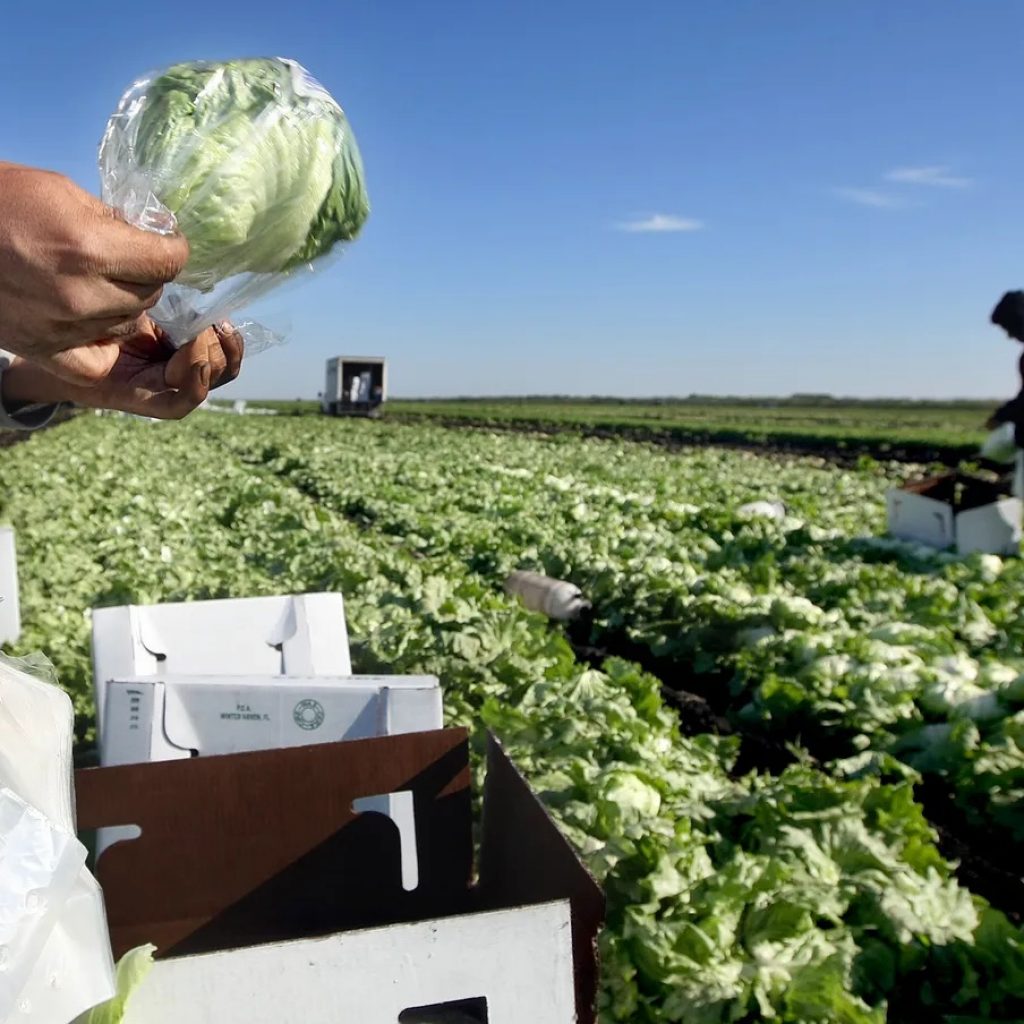
For me, that land is the Everglades Agricultural Area (EAA), where I was born and raised. My family has farmed here in Pahokee for nearly a century, growing wholesome foods that nourish families including sweet corn, cabbage, and sugarcane. I am proud to now be the fourth generation in my family to carry on that tradition.
South Floridians are fortunate to enjoy a wide variety of fresh, locally grown foods harvested right in their own backyard. But what makes this region truly special isn’t just what we grow, it’s how we grow it.
EAA farmers have long been leaders in environmental stewardship. Recently, the South Florida Water Management District announced that EAA growers achieved a 62% annual phosphorus reduction, which is more than double the 25% reduction required under Florida’s Everglades Forever Act. This is a direct result of decades of collaboration, innovation, and a shared belief that protecting our water and soil is essential to our future.
Throughout my time in the development program, I saw that same spirit of innovation and commitment echoed across the state. In Plant City, we met berry growers developing cutting-edge technology, like automatic harvesters that use a water bath to protect delicate fruit. In Polk County, we toured citrus groves where protective screen technology was used to combat greening disease. Back in the EAA, we saw how our unique muck soils foster not just crops but collaboration, while also learning best management practices and how farmers use owl boxes to reduce pesticide use.
Everywhere we went, we saw the same determination to adapt, to improve, and to keep Florida farming alive. I feel more hopeful than ever about where agriculture is headed. There is a new generation of growers, advocates, and innovators who understand both the challenges and the opportunities ahead.
In the EAA, we understand that farming is a balance between tradition and progress. We honor the lessons of those who came before us while embracing new technologies that make us more efficient and sustainable.
The next generation of farmers are ready to lead that charge and the future of Florida agriculture, and of farming in the Everglades Agricultural Area, is bright. It’s rooted in stewardship, strengthened by innovation, and powered by the next generation of leaders who love this land as deeply as those who came before them.
Olivia Pope Helms is a fourth generation Florida agriculturist and the credit manager at Wedgworth’s Inc. She resides in Pahokee, Florida.
About EAA Farmers
EAA Farmers is a coalition of mostly family-owned farms and farming businesses who provide farming education and advocate for the protection of homegrown food and local farmland. By joining our voices together, we are effective advocates on issues important to the economic viability of farms in the EAA.